
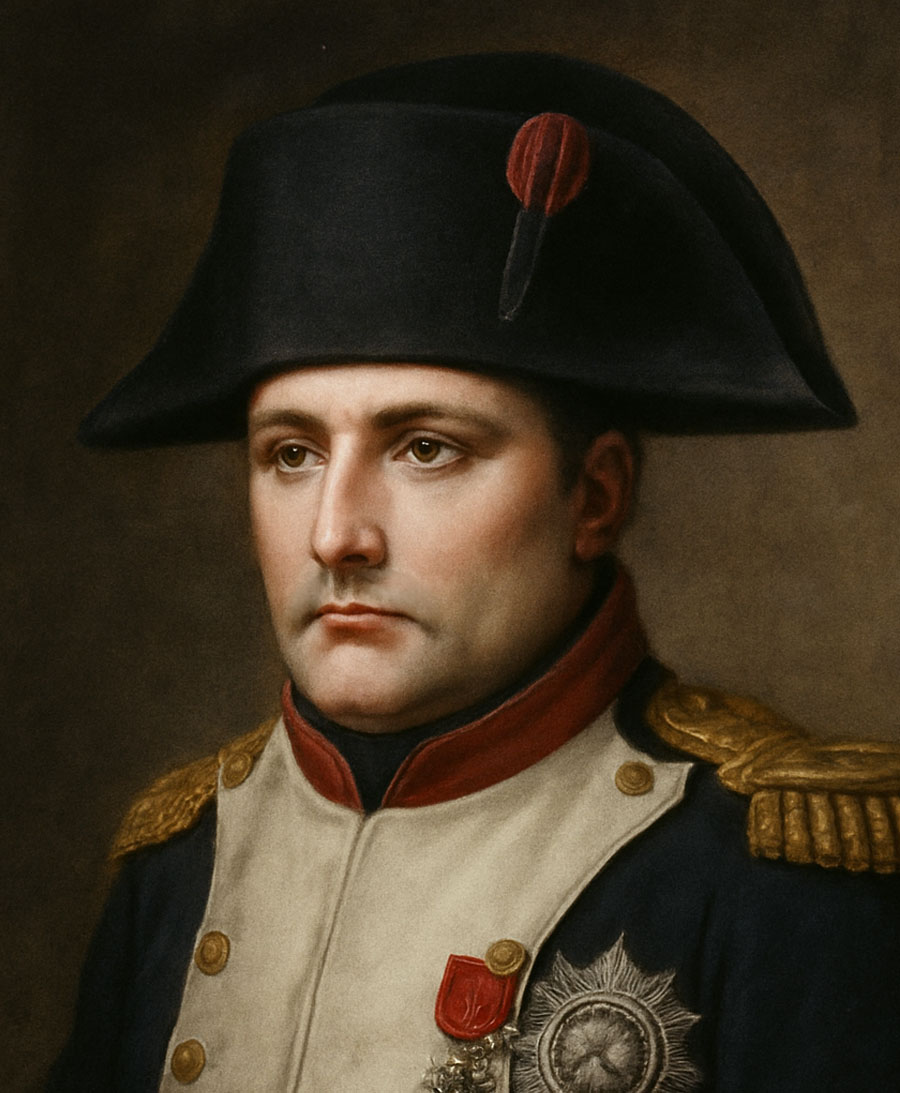
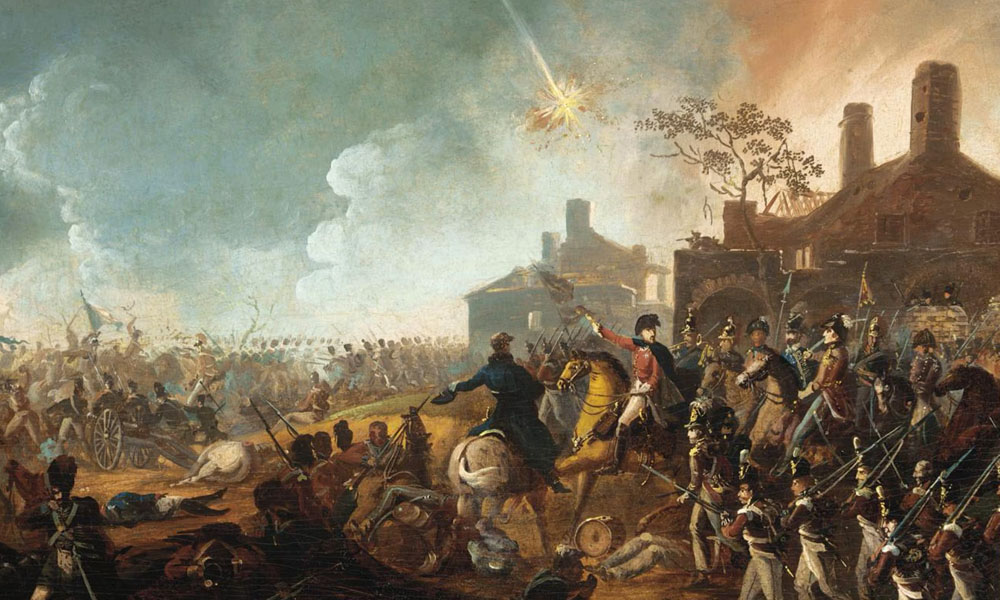

Forging a strong alliance among diverse teams – whether they come from different business units, prior companies acquired through mergers and acquisitions, or even different national branches of a global corporation – is always a challenging proposition. Success depends upon recognizing and rewarding the inherent value and uniqueness of those teams while also gaining their commitment to and alignment with the larger goals and objectives of the parent organization. The fateful battle that occurred on June 18, 1815, just south of Brussels in what is today Belgium, demonstrated this principle as a coalition of armies from Britain, Prussia, and the Netherlands triumphed over the legendary Napoleon Bonaparte and his once seemingly invincible French army.
After a daring return from the allied-coalition-imposed exile, Napoleon sought this battle as a key step in restoring his grip on power. Though his troops were outnumbered, Napoleon’s leadership prowess made the outcome of the battle uncertain. For the French, it was a grave risk, even a gamble, to snatch victory from impending defeat against a larger and unified enemy. For the coalition, it meant uniting toward a common objective. Ambiguity reigned, but the better aligned army won a stellar victory. Ambiguity and uncertainty are commonplace challenges for many businesses today while alignment and team-building are essential tools for dealing with them. The Battle of Waterloo, Napoleon’s fateful final engagement, is surprisingly relevant for today’s business leaders Battlefield Leadership uses this historic event to equip its clients with tools to achieve their goals in this challenging environment.