

Businesses often require extraordinary results from key leaders and specialized teams during periods of economic uncertainty and market upheaval. Cohesive teams that rise to the occasion can have an impact far beyond their size and mean the overall success or failure of the enterprise. Ensuring all teams are aligned and committed to the success of the parent company is crucial to success in today’s ever-changing business environment. The legendary siege of the tiny Mediterranean island of Malta in the sixteenth century offers a compelling illustration of these timeless business leadership principles, but one set in a stunning, unique location.
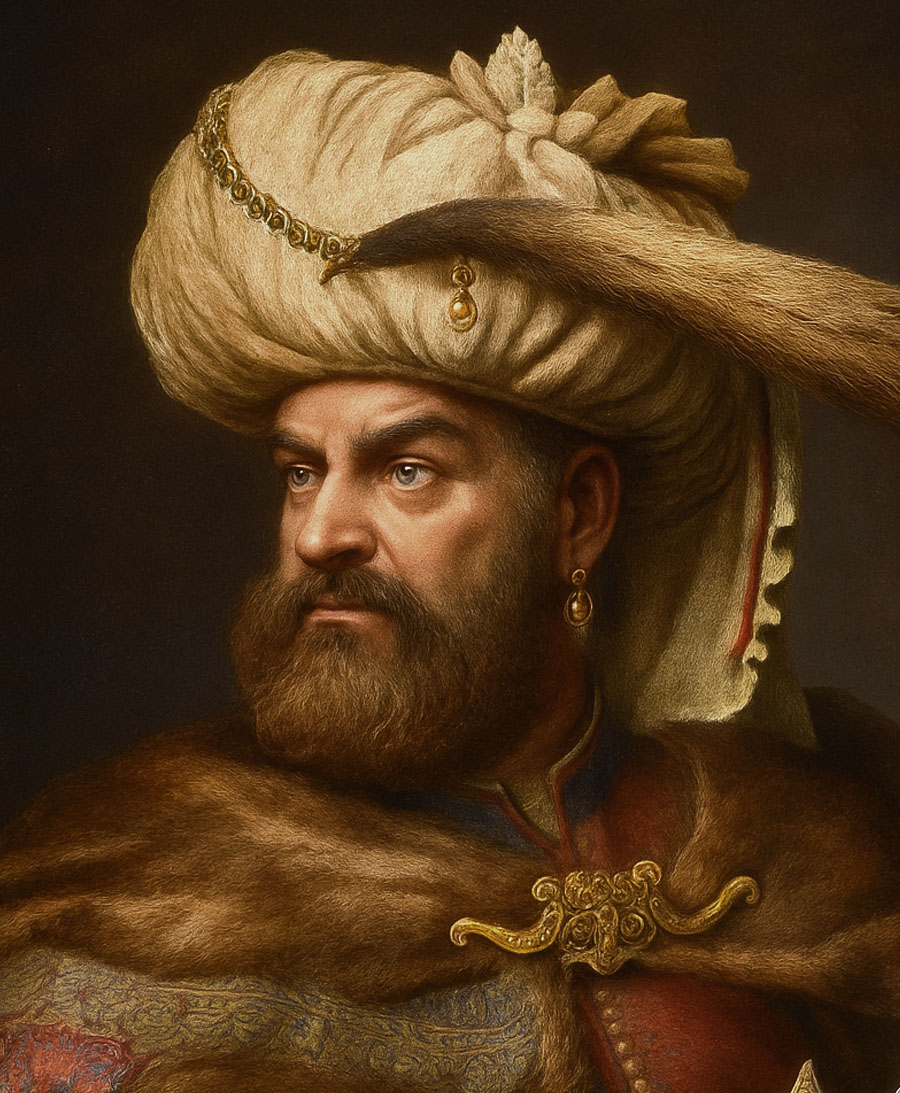
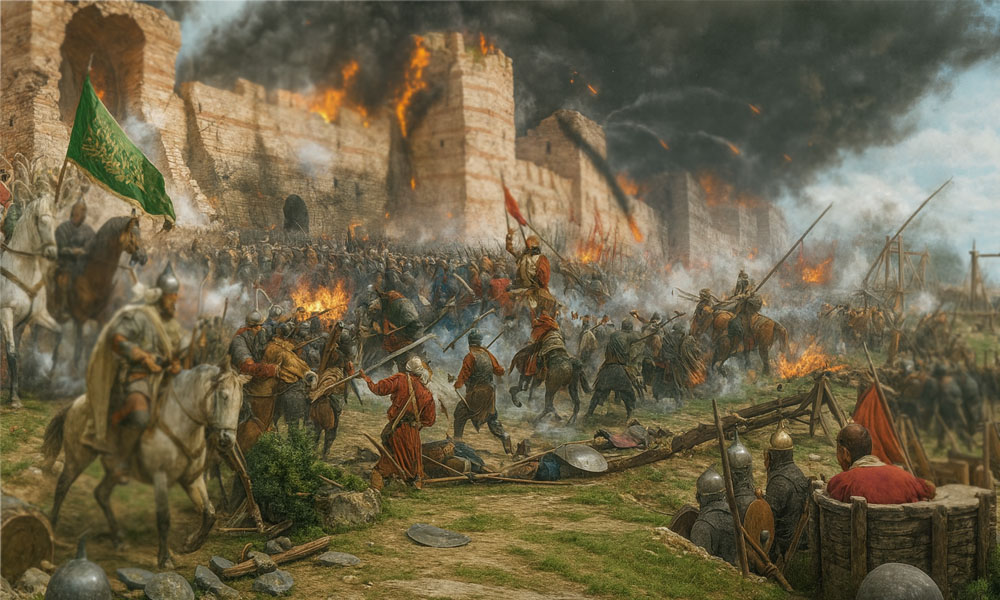
Although its significance during the Second World War might be more familiar, it was an unlikely victory against overwhelming odds in the mid-sixteenth century that put Malta in the center of the world stage and changed the course of modern history. By 1565, the Ottoman Empire had conquered much of Eastern Europe and controlled the eastern Mediterranean region, while European monarchs strove to resist the seemingly relentless spread of the Ottoman Turks. Crucial to Ottoman designs was control of Malta, the linchpin to the western Mediterranean. To seize it, the Turks launched the largest armada yet seen for the purpose of seizing Malta. The fierce 110 days of combat for control of the island have been known ever since as The Great Siege of Malta. Against the Ottoman onslaught stood a mixed group of warriors, the Knights of St. John. With vows of allegiance to the Pope rather than their individual kingdoms, these intrepid knights along with the inhabitants of Malta, were determined to fight to the end. Battlefield Leadership uses this epic episode, which could pass as historical fiction, to make relevant and contemporary leadership principles tangible for today’s business leaders.